
What Is Secure Facility Workspace Management?
Secure facility workspace management is the practice of coordinating workspace reservations, secure access, approvals, visitor management, and facility operations through a centralized workflow rather than manual processes. It goes beyond a reservation calendar by connecting the systems and teams responsible for determining who can use workspaces, access requirements, and accountability records.
This distinction is important for organizations operating in regulated or classified environments. A booking tool tells you a desk is occupied. A secure workplace management system tells you who occupied it, what clearance or system access their assignment required, and whether the decision followed policy. That is the operational layer regulated facilities are often missing.

Why Secure Facilities Need Centralized Workspace Management
Standard desk-booking tools are typically designed around availability and reservations, while secure and regulated environments may also need to account for access requirements, approval policies, auditability, and multi-facility governance. Security clearances, network classifications, compliance documentation, and multi-facility coordination are all outside the scope of a typical booking app, which is why commercial tools are often unsuitable or cost-prohibitive in classified or highly regulated settings.
Secure facilities also move people constantly. Personnel rotate between sites, hybrid schedules shift week to week, and every one of those changes needs to reflect current access and compliance status, not last month's spreadsheet.
-
Security requirements: Workspace assignments need to reflect clearance levels and system access, not just seat availability.
-
Compliance obligations: Facility usage has to be documented in a way that supports audits and oversight.
-
Multi-facility coordination: Larger organizations manage workspace demand across several sites at once, each with its own access rules.
-
Secure workplaces require more than reservation software. They require coordinated workflows that connect security, facilities, HR, and IT around a shared source of truth.
Common Challenges in Secure Workplace Operations
Most organizations don't choose disconnected workspace management systems. They inherit them, one exception and one spreadsheet at a time, until the process no longer holds up.

Limited visibility
Managers can't see workspace availability across sites in real time.

Booking conflicts
Double bookings and seat conflicts consume time to untangle.
Manual approvals
Requests move through email chains instead of defined workflows.
Missing access data
Desks get assigned without capturing the classification level or system access a role requires.
No audit trail
There is no reliable record of who occupied which workspace or when.
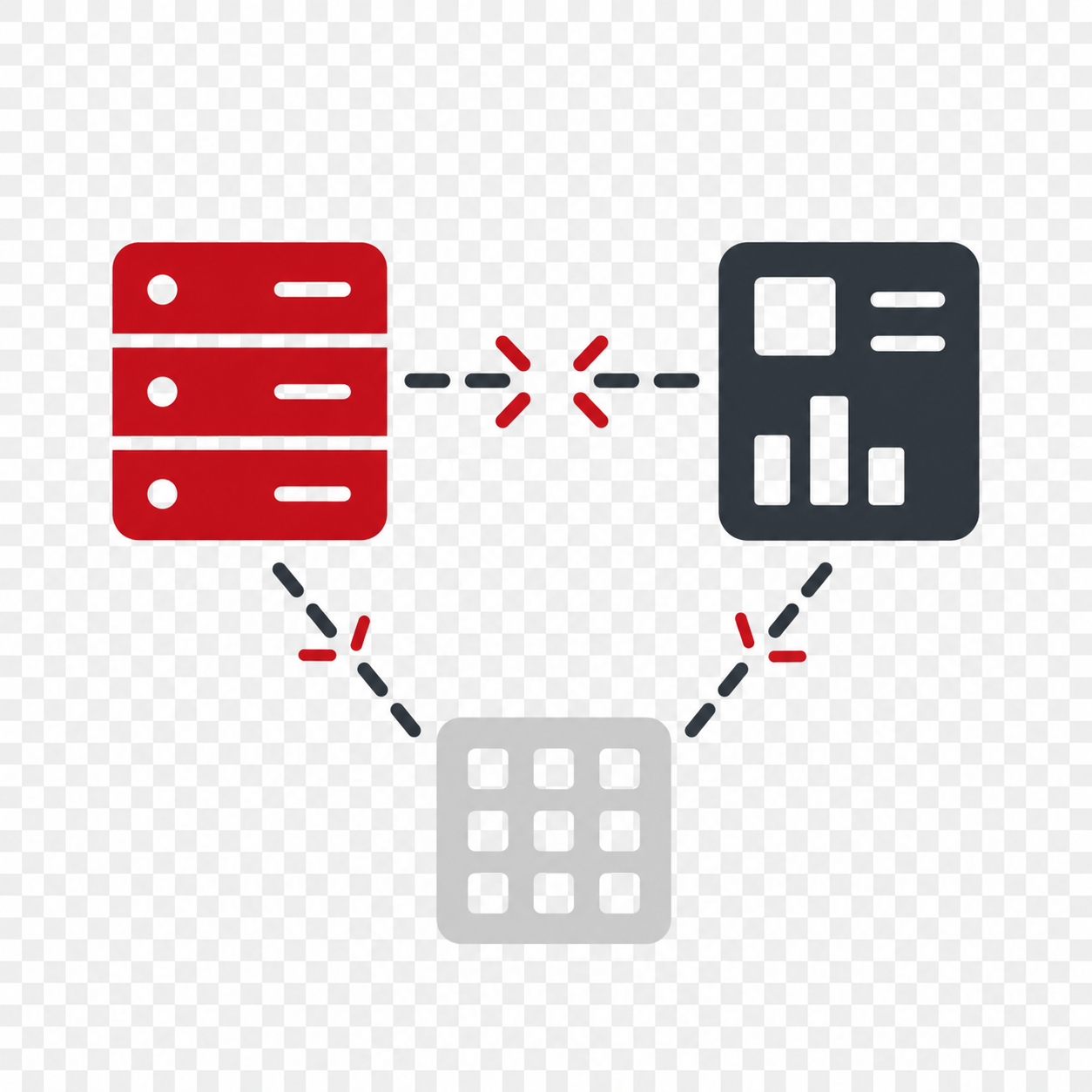
Disconnected systems
Facilities, HR, and IT tools don't share data, so the same information gets entered more than once.
Limited visibility
Managers can't see workspace availability across sites in real time.
Booking conflicts
Double bookings and seat conflicts consume time to untangle.
Manual approvals
Requests move through email chains instead of defined workflows.
Missing access data
Desks get assigned without capturing the classification level or system access a role requires.
No audit trail
There is no reliable record of who occupied which workspace or when.
Disconnected systems
Facilities, HR, and IT tools don't share data, so the same information gets entered more than once.
Our Secure Facility Workspace Management solution includes:
Isos has delivered this solution across multiple isolated government network environments with distinct classification levels, adhering to cross-domain security protocols and high assurance development standards.

-
Jira Service Management
-
Assets
-
Forms
-
Notifications
-
Approvals
-
-
Automations
-
Dashboards/Reporting
-
Process optimization
-
Implementation and configuration
-
Workflow automation
-
Third-party integrations
-
Organizational change management
Atlassian Government Cloud
-
FedRAMP Moderate authorized
-
US-only data residency
Atlassian Data Center
- IL4/IL5 environments
- Air-gapped deployments
Workplace Access Management and Security
Workplace access management is where secure facility operations most often break down. Access decisions frequently depend on someone remembering the right rule instead of a system enforcing it.
-
Identity verification: Confirming who is requesting a workspace before access is granted.
- Role-based access: Assigning workspaces based on what a given role is cleared to use.
- Visitor approvals: Routing visitor access through defined, trackable approval steps.
- Credential validation: Checking that required credentials are current before granting access.
- Access reviews: Giving security teams a way to periodically confirm assignments still match policy.
Secure workspace management ensures that policy governs access decisions. That takes the burden off the people currently making those calls by hand and closes the gaps that arise when the rule depends on who happens to be asked.
01

02
03
04
05
06
Workflow Automation for Facility Operations
Workplace workflow automation is what turns a documented process into one that runs by itself day-to-day. Instead of staff chasing approvals and updating trackers, the workflow handles routing, notifications, and status updates in the background.
-
Automated approvals: Requests reach the right approver without email follow-up.
-
Reservation workflows: Availability updates instantly as bookings and cancellations happen.
-
Maintenance coordination: Facilities requests are routed alongside workspace bookings instead of through a separate system.
-
Provisioning triggers: Access and equipment needs are flagged automatically based on the assignment.
-
SLA management: Time-sensitive requests are tracked against defined response windows.
-
Built on a platform like Jira Service Management, this kind of workflow automation extends tools teams already use rather than adding another standalone system to manage.
Is Your Secure Workplace Still Managed Through Disconnected, Manual Processes?
If desk assignments still move through email chains, spreadsheets, and verbal agreements, your teams are likely absorbing costs you can't easily see, from double bookings to compliance gaps that only surface during an audit. Let our team assess how your facility operations run today and where a centralized workflow would deliver the fastest value.
Speak with an Expert
Supporting Hybrid and Flexible Work Environments
Hybrid workplace management adds even more complexity to secure facilities. Personnel alternate between remote work, in-office days, and travel between sites. Workspace demand shifts with them, week to week.
A centralized system supports hybrid flexibility. Employees reserve desks and meeting rooms in seconds. Managers can review occupancy patterns instead of guessing at office capacity, and facilities teams plan resources around actual demand. The workplace flexes with the workforce, and it maintains the governance a secure environment requires.
Integrating Workplace Management Systems
Organizations already running an Enterprise Service Management (ESM) platform gain the most from this approach, since workspace requests can follow the same governance model used for other services rather than existing as a separate process.
Identity and access management
Confirms who a requester is and what they're authorized to access.
HR systems
Keeps workspace eligibility aligned with current role and employment status.
Visitor management
Extends the same governed workflow to guests and contractors.
Calendars and productivity tools
Reflects workspace bookings alongside meetings and schedules.
Enterprise Service Management (ESM) platforms
Connects workplace requests to the same governance model used across IT and other business services.
Best Practices for Secure Workplace Management
-
Standardize workflows: Build a single request-and-approval path instead of letting each facility handle it differently.
-
Automate approvals: Remove manual routing wherever the decision can follow a defined rule.
-
Integrate workplace systems: Connect workspace management to identity, HR, and facilities data.
-
Enforce access policies: Tie workspace assignments to clearance and system access requirements by default.
-
Monitor utilization: Use actual usage data to plan capacity rather than estimate it.
-
Improve reporting: Give facilities, security, and IT leaders dashboards they can trust.
-
Review and adjust: Treat the workflow as something to refine as facility needs change, not a one-time setup.
Client success story
A federal defense organization partnered with Isos Technology to modernize desk booking across multiple secure facilities using Jira Service Management. What began as a search for a cost-effective alternative to standalone hoteling software became a custom booking solution built entirely inside a platform the agency already trusted, deployed across isolated government networks at distinct classification levels.
With JSM in place, the agency gained real-time visibility into desk availability, eliminated booking conflicts, and reduced the administrative burden on managers, all while avoiding millions in software costs and meeting the security requirements of its facilities.
How a Federal Agency streamlined desk booking with Isos Technology and Jira Service Management

Are You Ready for an End to Booking Conflicts?
Contact us to schedule a discovery call and review how your teams manage workspaces today, where access decisions are still made manually, and where a centralized system could deliver value fastest.

Frequently Asked Questions

Secure facility workspace management is the coordinated process of managing workspace reservations, secure access, approvals, and facility operations through centralized workflows.
They route workspace requests through automated approval workflows that verify access requirements and assign available space. Each step is logged automatically, so no one has to build the record by hand.
Workplace access management ties workspace assignments to identity verification, role-based access, and credential validation, so access decisions follow defined policy rather than individual judgment.
By combining flexible desk and room booking with the same governance and access controls used across the rest of the facility, so flexibility does not come at the cost of security or compliance.
Identity and access management, HR systems, visitor management, calendars, and Enterprise Service Management (ESM) platforms all strengthen a workspace management workflow when connected to it.
Automation removes manual routing and follow-up from approvals, reservations, and maintenance requests, which reduces administrative burden and cuts the errors that come with manual coordination.
Centralized workflows create an auditable record of every workspace request, approval, and access decision. Compliance and security teams get documentation they can rely on rather than reconstructing it after the fact.
Organizations gain real-time visibility, fewer booking conflicts, faster approvals, stronger access governance, and a documented audit trail across every facility.
Real-time dashboards and reporting built on workspace data give facilities and security leaders a current view of utilization, approvals, and compliance status across every site.
It gives workplace requests a home in the same system of record used for IT and other business services, so facility teams gain the governance and reporting maturity those teams already rely on without building a parallel process from scratch.
